
Interested in Meditation?
Here are 3 Books to Help you get Started.

If the idea of meditation makes you nervous or skeptical, you are not alone. Many people believe that meditation is not really for them. They may be envisioning a peaceful, euphoric, or mystical experience that seems out of touch with reality. However, it can be helpful to view meditation not as the end goal, but as a practice that helps us in other aspects of life. In other words, during meditation we practice working with our thoughts and feelings so that we reap the benefits when we go about our daily lives, “off-cushion.”
One practice I recommend to people new to meditation is called Shamatha, a Sanskrit word that translates to mean “calm abiding.” In Tibetan it is shi-né, which means “stillness” and “dwelling there.” Shamatha meditation is considered a foundational practice across many Buddhist traditions and is a good prelude to other forms of meditation, including those that involve visualization.
The technique might at first seem too simple to work: find a comfortable seat, let your spine be long without being rigid, and close your eyes (if that feels comfortable). Then follow your own breath. You are not controlling it or changing the breath, just noticing it. You might notice the subtle rise and fall, or the slight coolness of the inhale. If simply following the breath feels too difficult at first, you can count each breath quietly, or label each breath (”inhale…exhale…”). Research suggests that even two to five minutes a day of meditating like this can have beneficial outcomes.
Three books I love for beginners
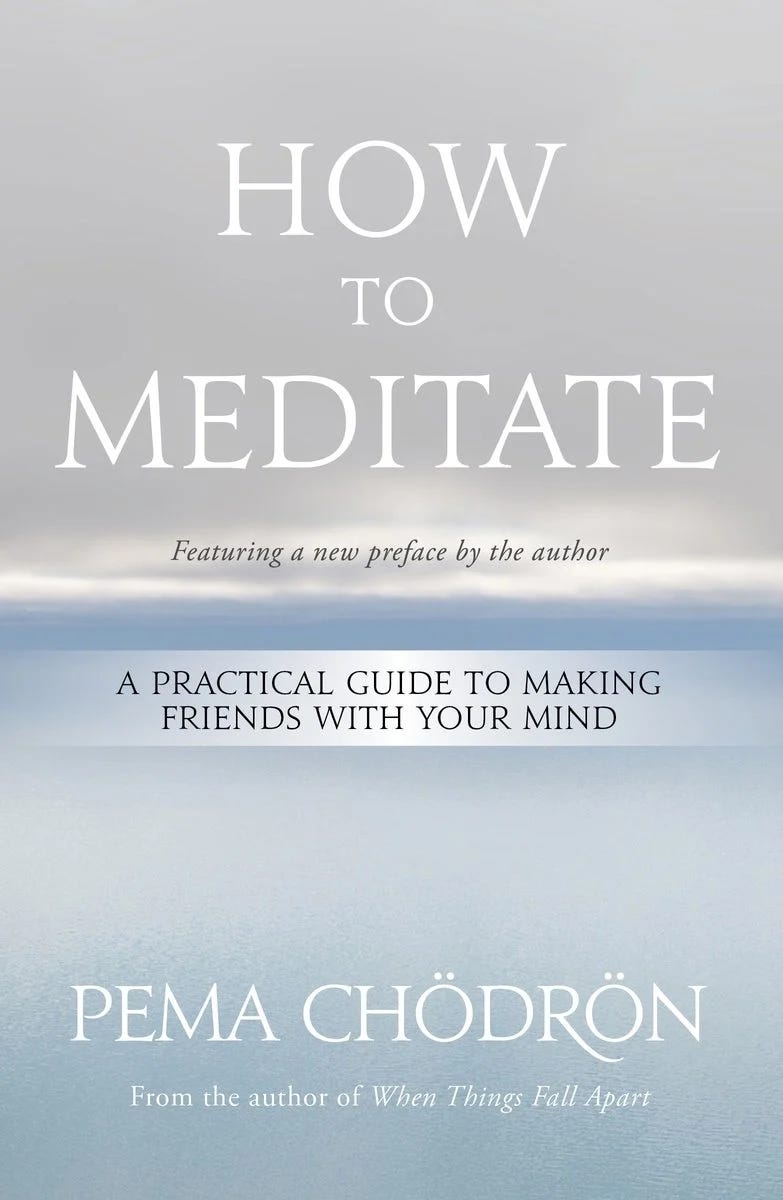
If you would like to go deeper, these are three books I return to again and again:
How to Meditate by Pema Chödrön introduces meditation in a way that is warm, honest, and completely free of pretension. She frames the whole endeavor as “making friends with your mind” which I find to be a helpful approach.
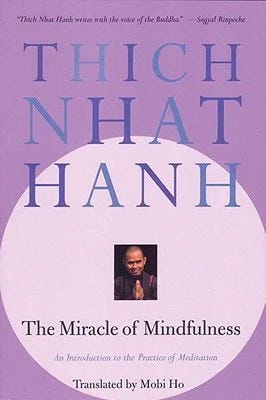
The Miracle of Mindfulness by Thich Nhất Hạnh is a short, beautiful book that honors the ancient practice of Buddhist meditation while making it feel entirely accessible. He describes the first gifts of meditation as stopping, calming, resting, and healing (in that order). You cannot have the later ones without the earlier ones.
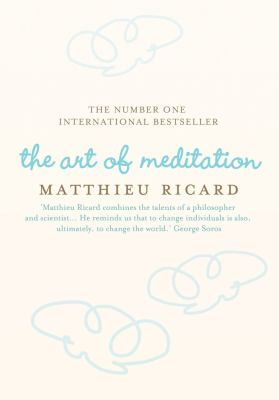
The Art of Meditation by Matthieu Ricard is also an excellent introduction to meditation that also offers an analytical lens to the practice. While Ricard is a Buddhist monk, he also holds a doctorate in molecular biology, and he brings both perspectives to bear. For those who appreciate a scientific grounding, this book may be your speed.
Final thought: you don’t need a special cushion, expensive props, or years of practice to meditate. You just need a few minutes, a willingness to try, and a little patience with yourself.
That’s more than enough to begin!
From Erica: Proud sister here just to chime in and say how much my sister’s work in mindfulness has been an inspiration to me. In 2019 Laura got her PhD in Applied Behavior Analysis after a long career working with students with autism. At the same time she was also pursuing her certification as a yoga teacher and meditation leader while delving into Buddhist studies. She is now not only a Clinical Professor of the Applied Psychology department at Northeastern but she also directs the Mindfulness Studies program. This post was part of a larger post on her website: https://www.lauradudley.com/ - I see a mindfulness Substack in her future!